
The Harlan County Arrest Log
No Harlan County agency posts a stable, multi-day arrest blotter. HCDC shows current custody and nothing more. For longer histories of Harlan County arrests, only commercial pages like Busted Newspaper fill the gap. They are unofficial. The Harlan Enterprise and regional stations report selected incidents. That helps with delayed or weekend bookings, but it never amounts to a complete official ledger.
How to Read the Harlan County Blotter
Work backward from custody to the event and then the case.
- Check HCDC for current custody and note the access time.
- Identify the arresting agency from a report or reliable secondary lead.
- Ask that agency for its arrest or incident report by date range.
- Check Harlan CourtNet or the Circuit Clerk after a case is filed.
- For older records, use the Kentucky Open Records Act and name the record series.
For an event from today, use the Arrested Today process instead.
What an Arrest-Log Entry Shows
A multi-day entry can combine fields from different publishers, so keep their provenance clear.
| Field | How to verify |
|---|---|
| Name | Compare with the agency or jail record |
| Arrest and booking dates | Do not merge them into one time |
| Agency | Confirm who created the report |
| Charge | Check the booked charge and later court filing |
| Location | Do not infer residence from arrest location |
| Photo | News or aggregator use is selective and unofficial |
Weekend and Holiday Arrests
HCDC publishes no weekend arrest schedule. So a Monday cluster can mean many things. It might be delayed data entry, transports, court scheduling, or simply a publisher's crawl. That is not a true surge in arrests. Before seeing a trend, compare arrest time, booking time, and article time side by side. The Harlan County guide keeps custody sources and record sources apart. The WYMT crime section shows how selective regional coverage can be.
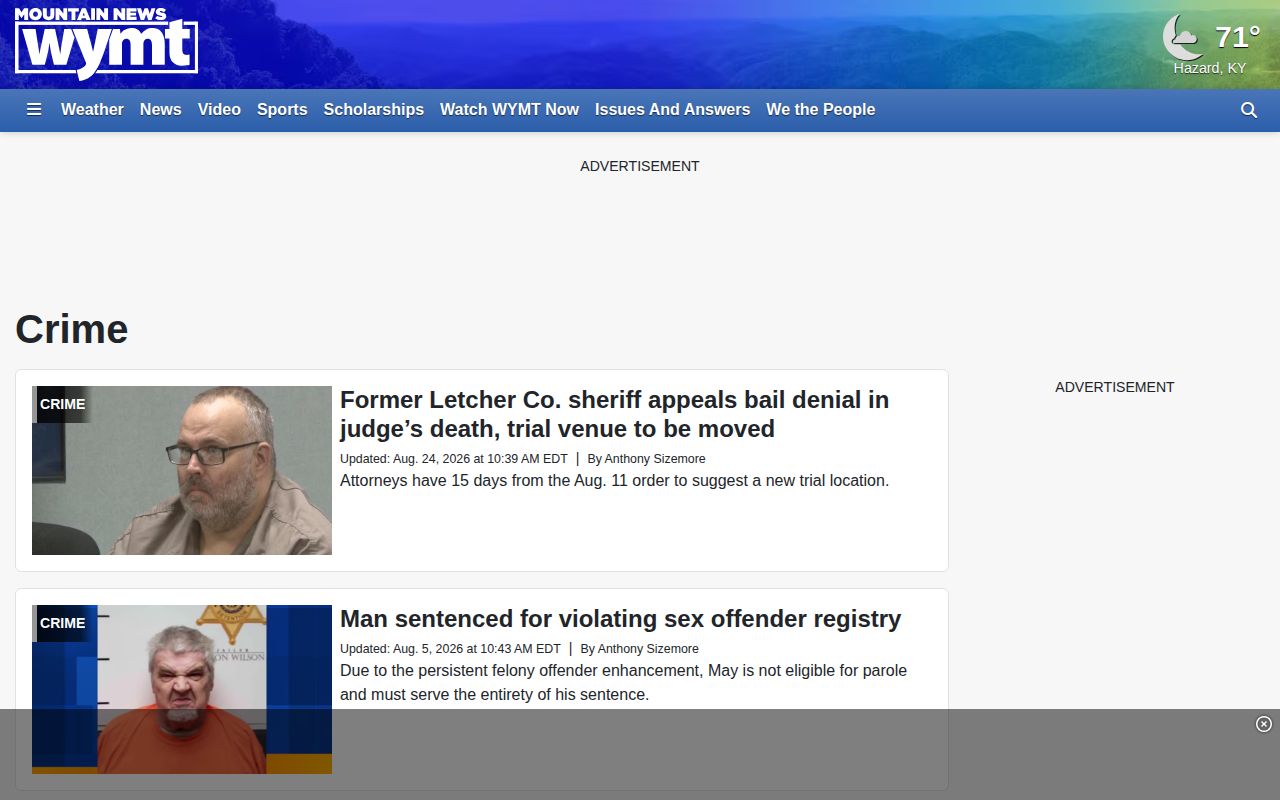
The section includes Harlan events but does not claim to list every booking.
Archives and Retention
Kentucky retention rules treat these records very differently. The L4673 daily arrest list may be destroyed once the agency no longer needs it. The L4672 booking photo series, though, carries an 80-year retention period. Neither rule guarantees anything stays on the web. For an older Harlan County arrest record, ask the jail or arresting agency first. Then ask the Circuit Clerk for the court file. Material transferred elsewhere is different. It may take a focused Kentucky Department for Libraries and Archives request. The Harlan Enterprise warrant report is a good example of event-specific local coverage.
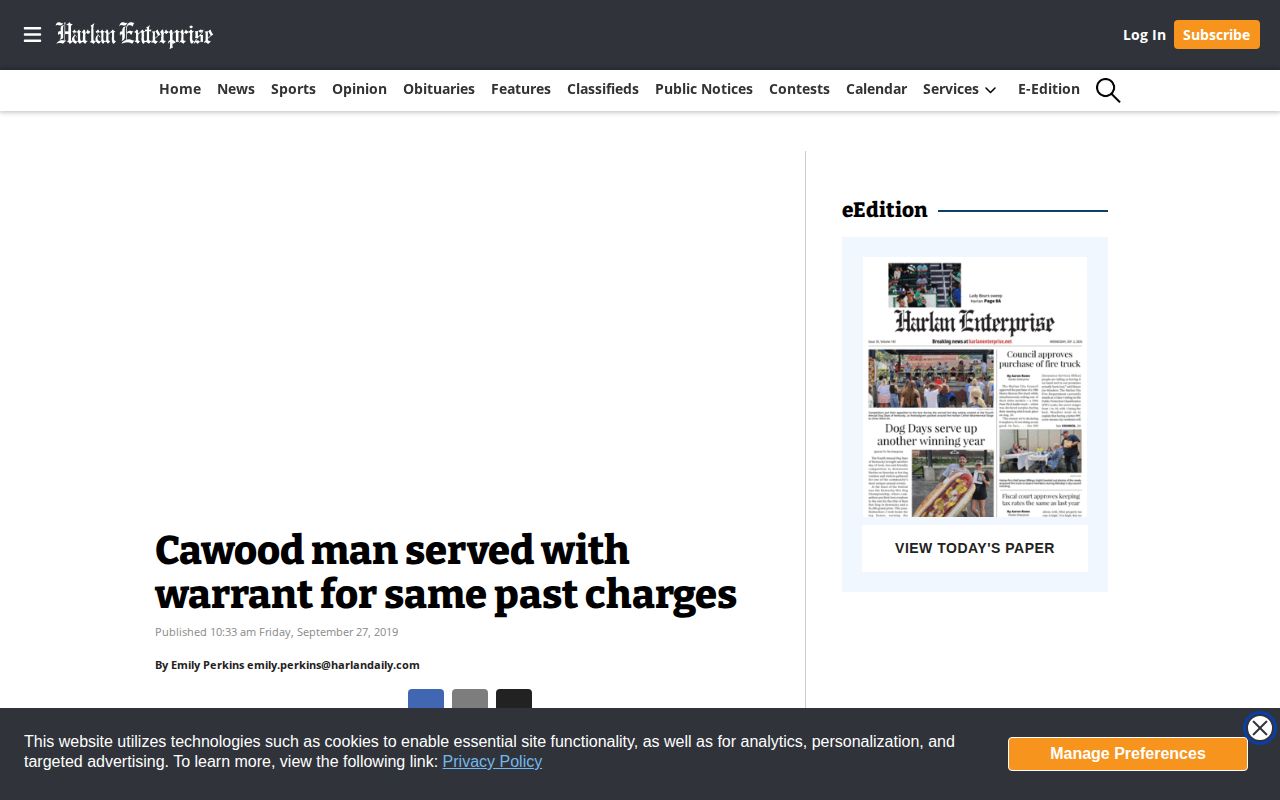
The article is historical context, not a current custody source.
Weekend Arrest Report Timing
HCDC posts no official weekend or holiday arrest schedule. A Monday cluster can mix several days together. Late data entry, transfers, or a publisher's crawl might all shape it. Compare event time, arrest time, booking time, and article time before trusting any pattern. When a source does not label its timestamp, do not guess what it means. News volume reflects editorial choice just as much as arrest activity. Harlan Enterprise, WYMT, and WKYT cover the incidents they deem newsworthy. Their stories usually carry sheriff or jail attribution. A quiet news page does not mean the jail made no bookings. A handful of stories never establishes a countywide trend either.
Requesting an Older Harlan Arrest Log
Kentucky's L4673 series governs the daily Harlan County arrest list. A single entry can hold the booking number, name, arrest date, demographic fields, arresting officer, and charge. No court data appears there. The file may be destroyed once the office no longer needs it. Mug photographs under L4672 follow a far longer retention rule. The booking information tied to them follows that longer rule too. Neither schedule promises anything will ever reach the web.
- Ask HCDC or the arresting agency whether it holds the date requested.
- Name the daily arrest list, booking record, report, or photograph instead of asking for everything.
- Provide a narrow date range and known identifiers.
- Ask for a written response and any exemption relied upon.
- Use Circuit Clerk for the court file and KDLA only for a specific older transferred record.
Reading Harlan Police News Carefully
A Harlan news story can tell you plenty. It may name the agency, the alleged conduct, the date, and who supplied the image. It is not the full police report. Nor is it the jail roster or the court file. An indictment arrest also looks different from a warrant served on an older case or a fresh on-view arrest. So keep the event tied to the source's own words.
Treat Evarts checkpoint notices as enforcement notices, not arrest lists. Sheriff social posts and KSP releases are selective agency communications. Commercial county archives can blend agencies and years. Yet an entry may omit a later dismissal or release. Confirm anything that matters with the originating office and the court.
Official and Unofficial Harlan Blotters
HCDC is the official booking destination for Harlan County. The office does not spell out its online fields or how far back they reach. The Harlan Enterprise has long cited the HCDC Current Inmates page in its police-activity stories. WYMT and WKYT cover selected regional cases. Those outlets add reporting and attribution, but none claims to reproduce every booking.
RecentlyBooked says its Harlan page refreshes several times daily on a rolling window. Busted Newspaper, Mugshots.com, Arrests.org, Mugshots.zone, and Arre.st each carry unofficial county material. Their fields and archive depth differ. Their totals are not stable county statistics. An entry can be left out, duplicated, mislabeled, or simply stay online after a status change.
Treat an unofficial page as a lead only. Write down the displayed name, date, and agency. Then ask HCDC or that police agency directly. Check the court for how the case ended. Do not copy a photograph.
From Arrest Report to Harlan Archive
Start with the office that created the Harlan County record. If HCDC or the police no longer show a public online entry, ask whether the file still sits elsewhere. Does it fall under an approved Kentucky retention schedule? Daily lists, photographs, fingerprints, investigations, criminal-history jackets, warrants, and court cases each carry their own periods. Restrictions differ for each one.
The Harlan Circuit Clerk can help you find a court case number. The clerk also knows where the record lives. The Kentucky Department for Libraries and Archives notes gaps in older court holdings. It directs post-1978 requests to the Circuit Clerk first. Identifying details come from that office. KDLA is not a current arrest search. It also warns that broad name-only research is not practical.
Archive fees and timelines that KDLA publishes do not apply to HCDC. KDOC's open-records rules cover corrections records, not a city police report. Each custodian sets its own lawful cost and response terms. Ask before you assume.
Building a clean timeline takes labeled facts. Write down each date on its own line. The event date, the arrest date, the HCDC booking date, the publication date, and the court filing date all mean different things in Harlan County. Tag which office gave you each one. If two records clash, skip the guesswork. The office that issued the fact can settle it. A later dismissal never gets buried behind some older listing this way.
Filters on a commercial arrest archive reflect that publisher's own data model. They say nothing about which fields HCDC actually publishes. A bond figure copied from a database can go stale once a court reviews it. Check the original field with the jail or the clerk. Keep the official record itself, not a screenshot of someone's booking photo.
Search engines can keep showing an old snippet. This happens even after a source is fixed or pulled. Google and Bing refresh their caches on their own schedule. They never edit the page behind it. Correct the record at the source first through a lawful, free route. Kentucky's booking-photo law also comes into play when commercial sites tie removal to payment.